
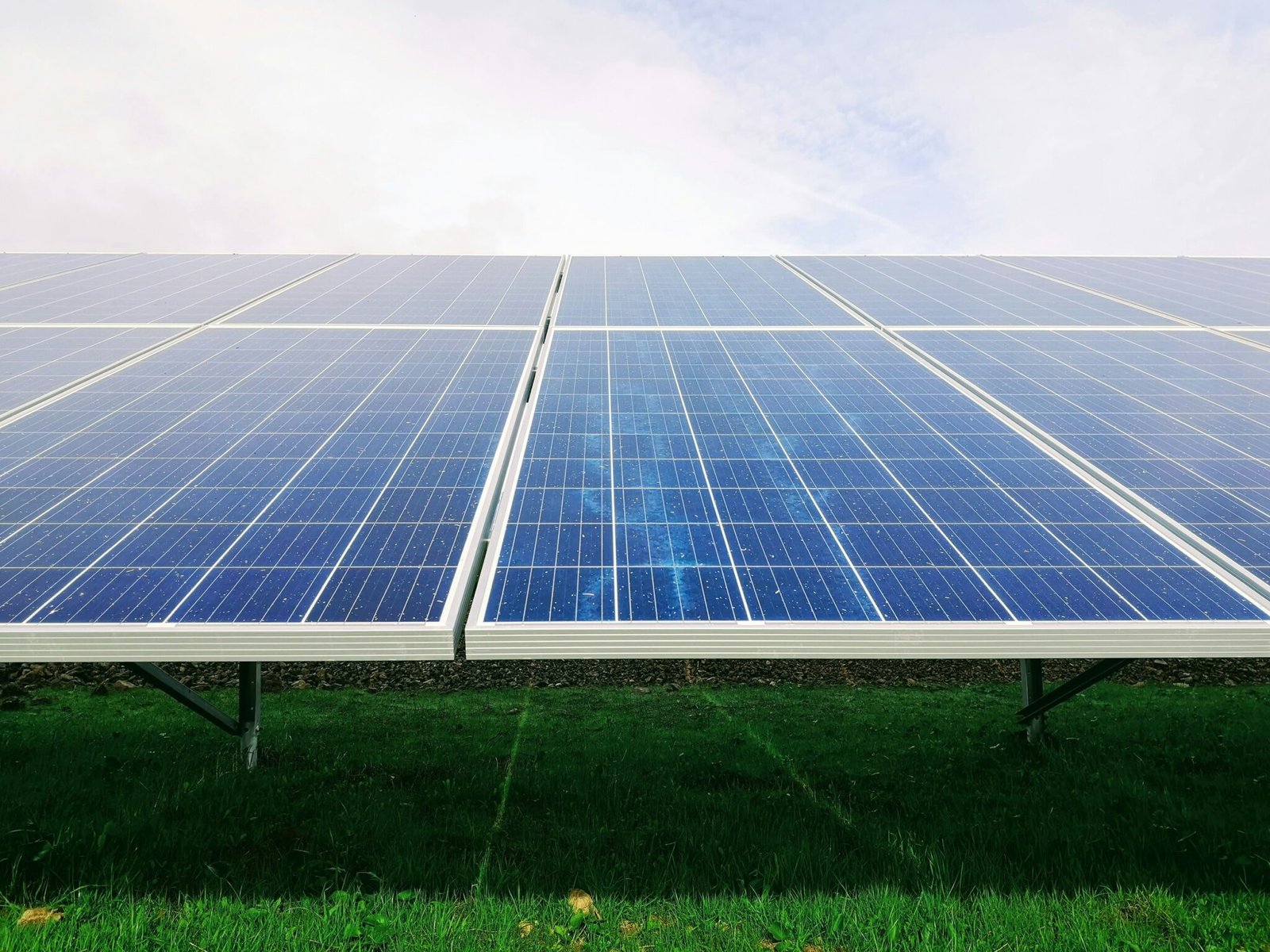
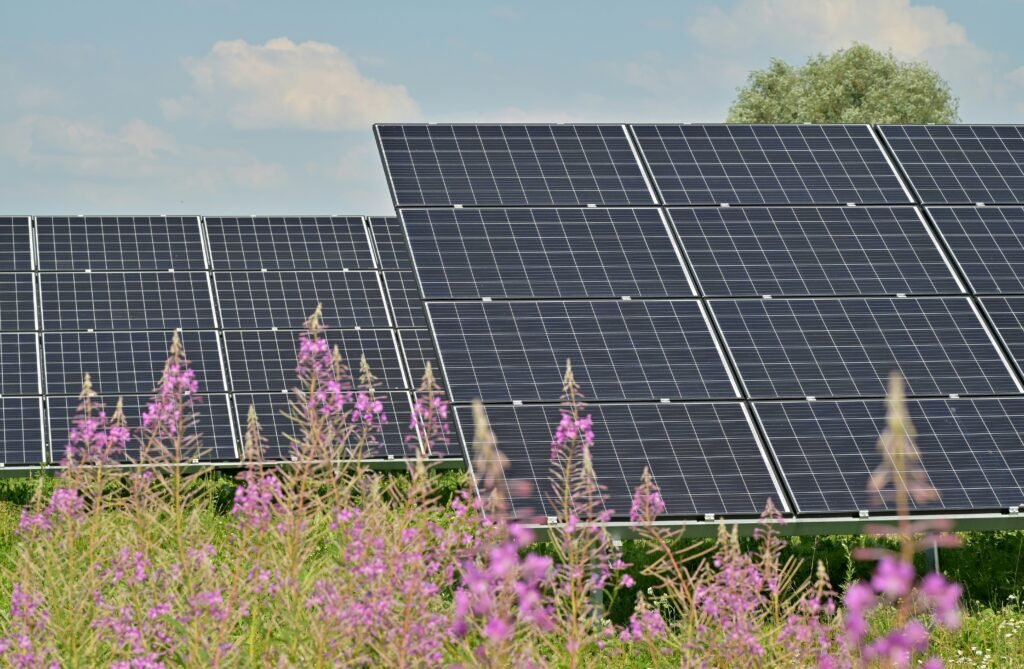
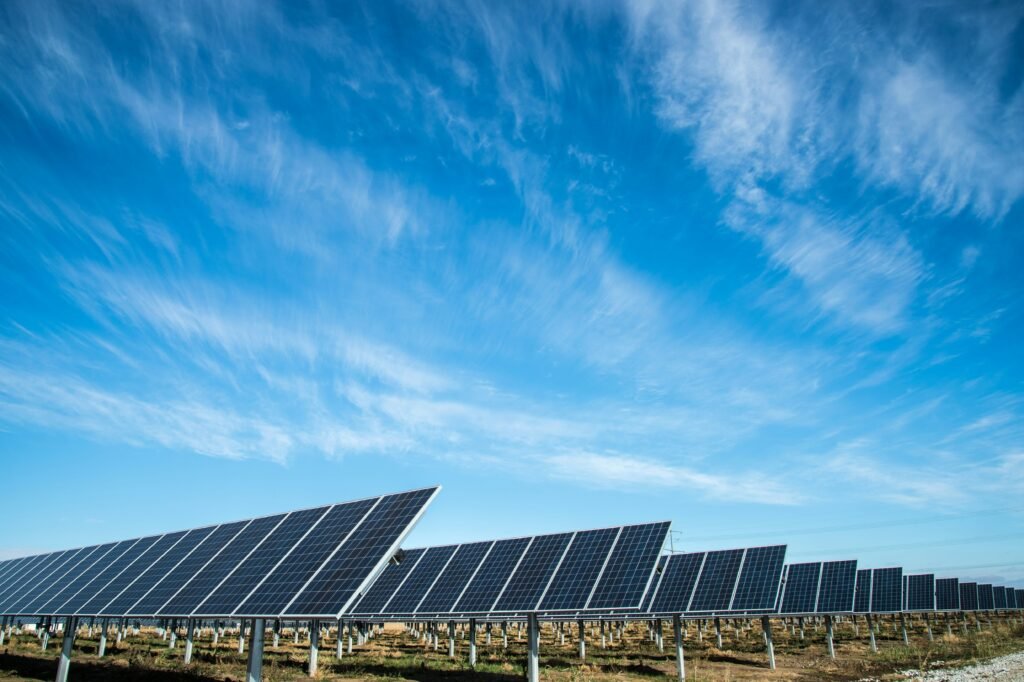
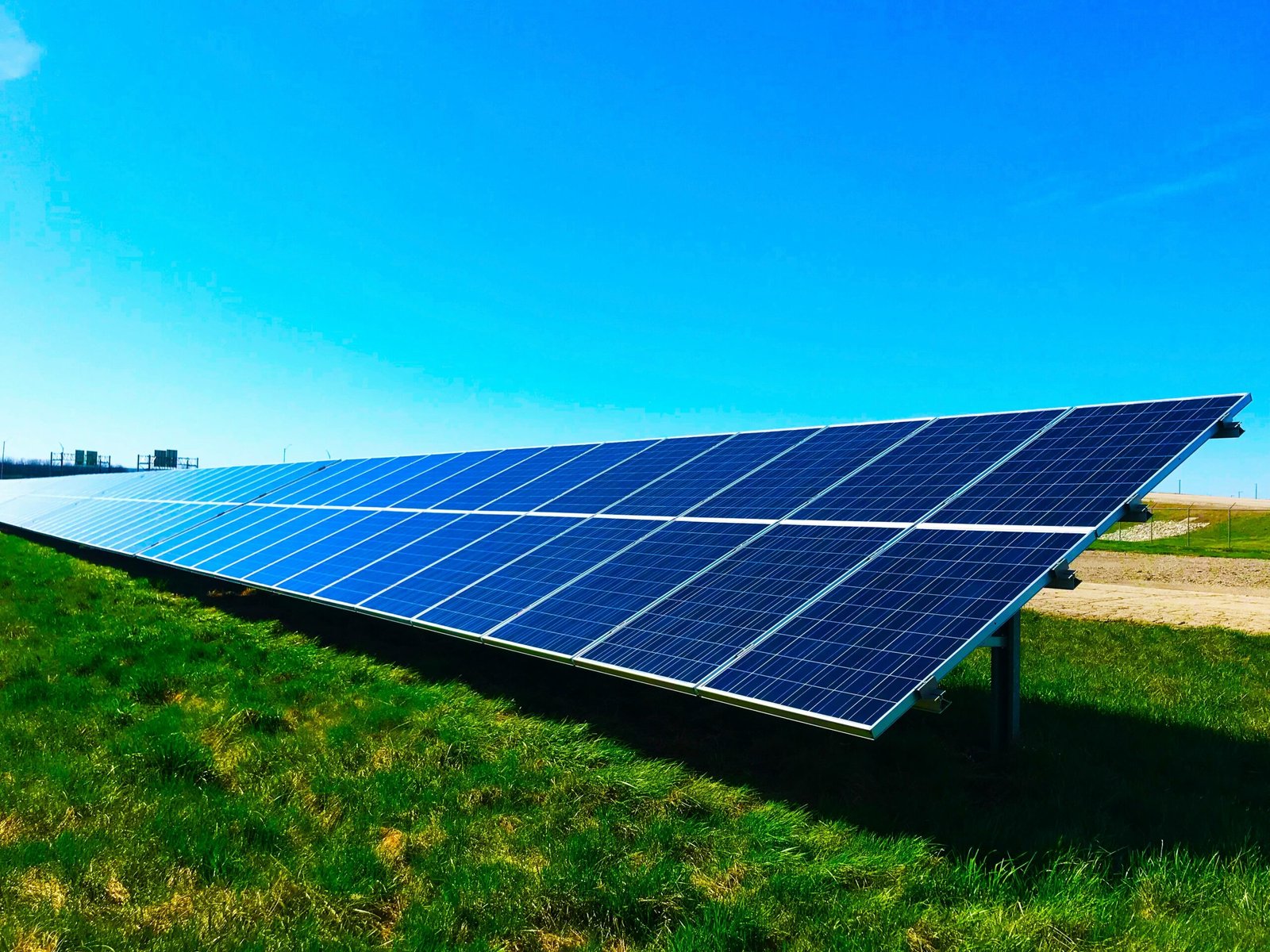
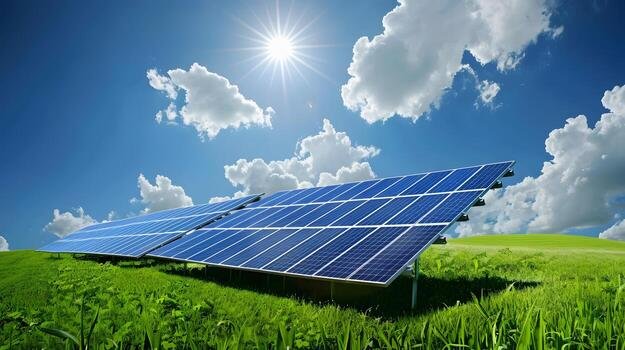
What is Solar Energy? Solar energy is energy obtained from the sun’s radiation. It is converted into electricity or heat using technologies like solar panels. Advantages of Solar EnergyRenewable source: It will not run out as long as the sun exists.Environment-friendly: Produces no air pollution or greenhouse gases.Reduces electricity bills: Once installed, energy is mostly free.Low maintenance: Solar panels require minimal upkeep.Useful in remote areas: Can provide electricity where grid power is unavailable. Uses of Solar Energy Generating electricity (solar panels) Heating water (solar heaters) Cooking (solar cookers) Lighting (solar lamps, street lights) Charging devices Disadvantages of Solar EnergyHigh initial cost for installationWeather dependent (less efficient on cloudy days)Requires space for panelsEnergy storage is expensive (batteries) How It Works Solar panels contain photovoltaic (PV) cells. These cells convert sunlight into electricity. The electricity can be used directly or stored in batteries. Importance Helps reduce dependence on fossil fuels. Plays a key role in fighting climate change. Supports sustainable development.raph here